The Best Sterling Silver Jewelry for Everyday Wear
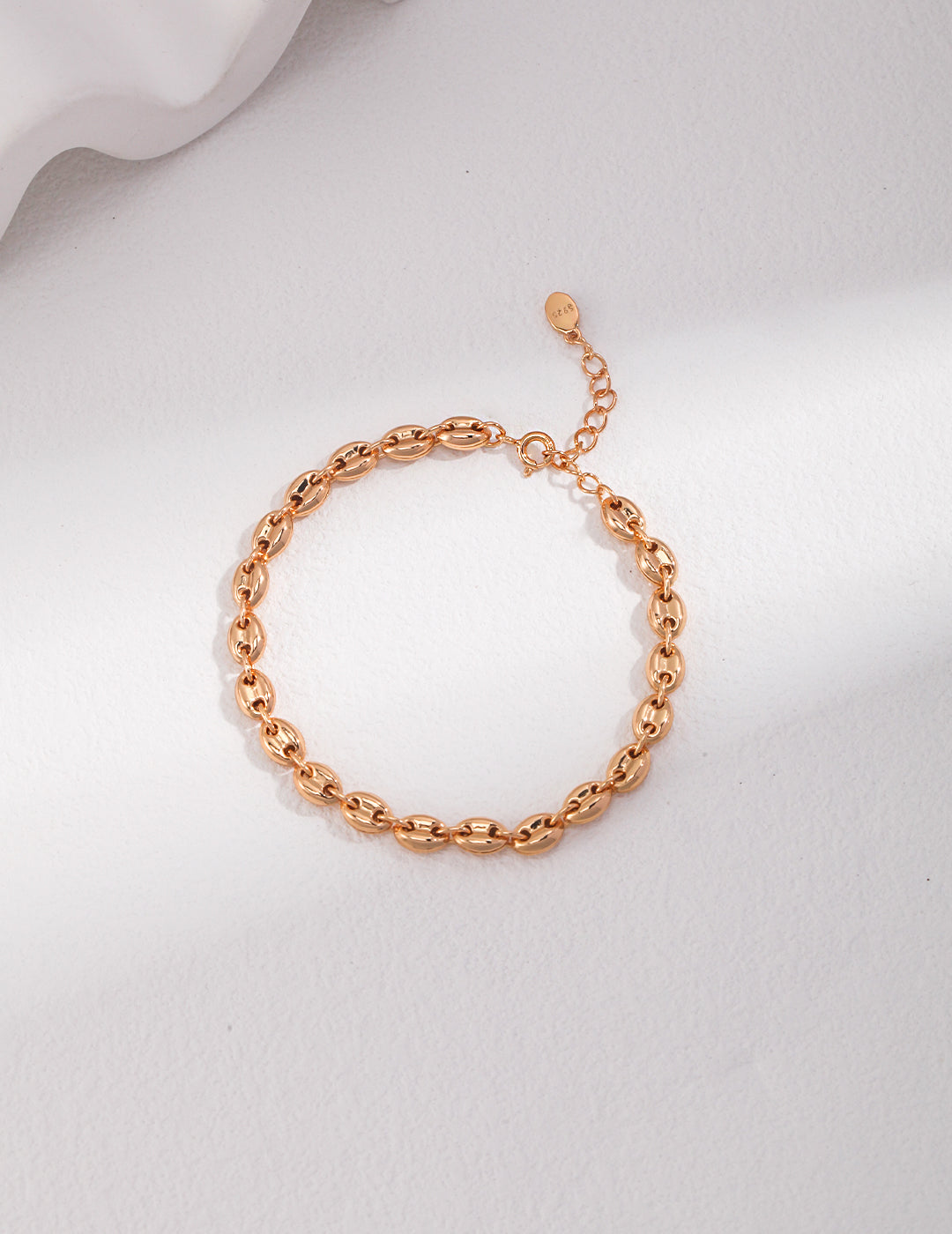
The best sterling silver jewelry for everyday wear is solid S925 — not plated, not filled — in simple shapes that sit flat against skin and clothing: fine-chain pendants, small hoops or studs, and slim bracelets. Solid sterling holds up to daily contact with water, skin oils, and fabric, and any dullness it picks up polishes back out. Plated pieces cannot make that promise, because their finish is a surface layer that eventually wears through.
That single distinction — solid metal versus a coating — decides most of what happens to a piece over a year of real wear. Below is how we think about choosing everyday jewelry, what genuinely lasts, and where the honest limits are.
What makes a piece truly "everyday"
Everyday jewelry has a job most jewelry doesn't: it has to disappear into a life. Typing, sleeves, seatbelts, a toddler's grip, a gym bag. A piece earns its place by being three things at once.
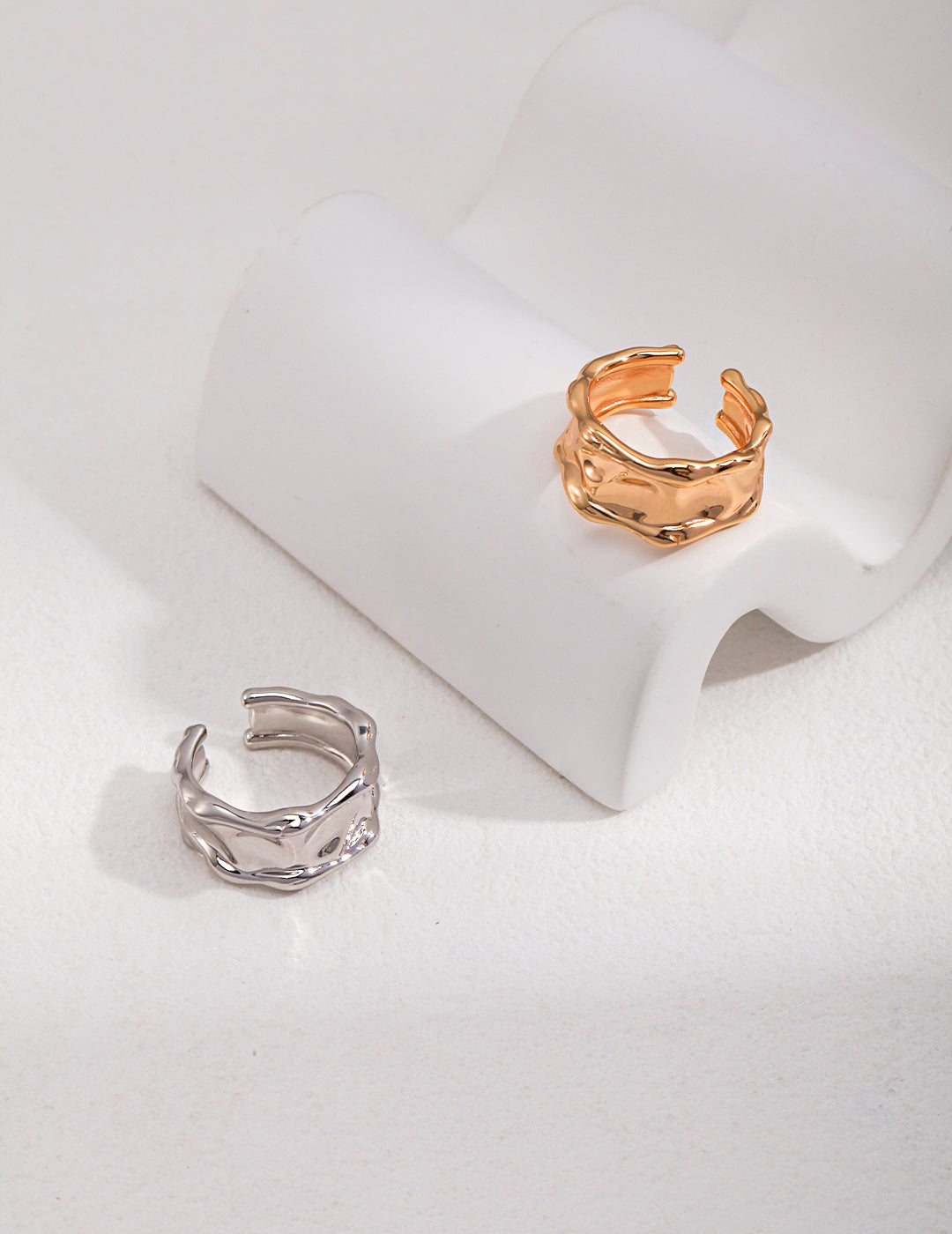
- Solid, not surface-deep. Sterling silver is 92.5% pure silver alloyed for strength (that's the "925" stamp). Because the metal is the same all the way through, a scratch or a dull patch is cosmetic, not terminal.
- Comfortable enough to forget. Weight, edge finishing, and clasp design matter more than they sound. A bracelet with a sharp lobster clasp gets taken off; one that lies flat stays on.
- Quiet enough to repeat. If a piece only works with one outfit, it isn't an everyday piece. Restraint is what makes something wearable on a Tuesday.
The four everyday pieces worth owning
1. A slim bracelet
A bracelet takes more abuse than anything else you wear — desks, doorframes, sink edges. This is exactly where solid sterling pays for itself. Our minimalist jewelry collection is built around this logic: clean lines, finished edges, nothing that snags a sweater.
2. Small hoops or studs
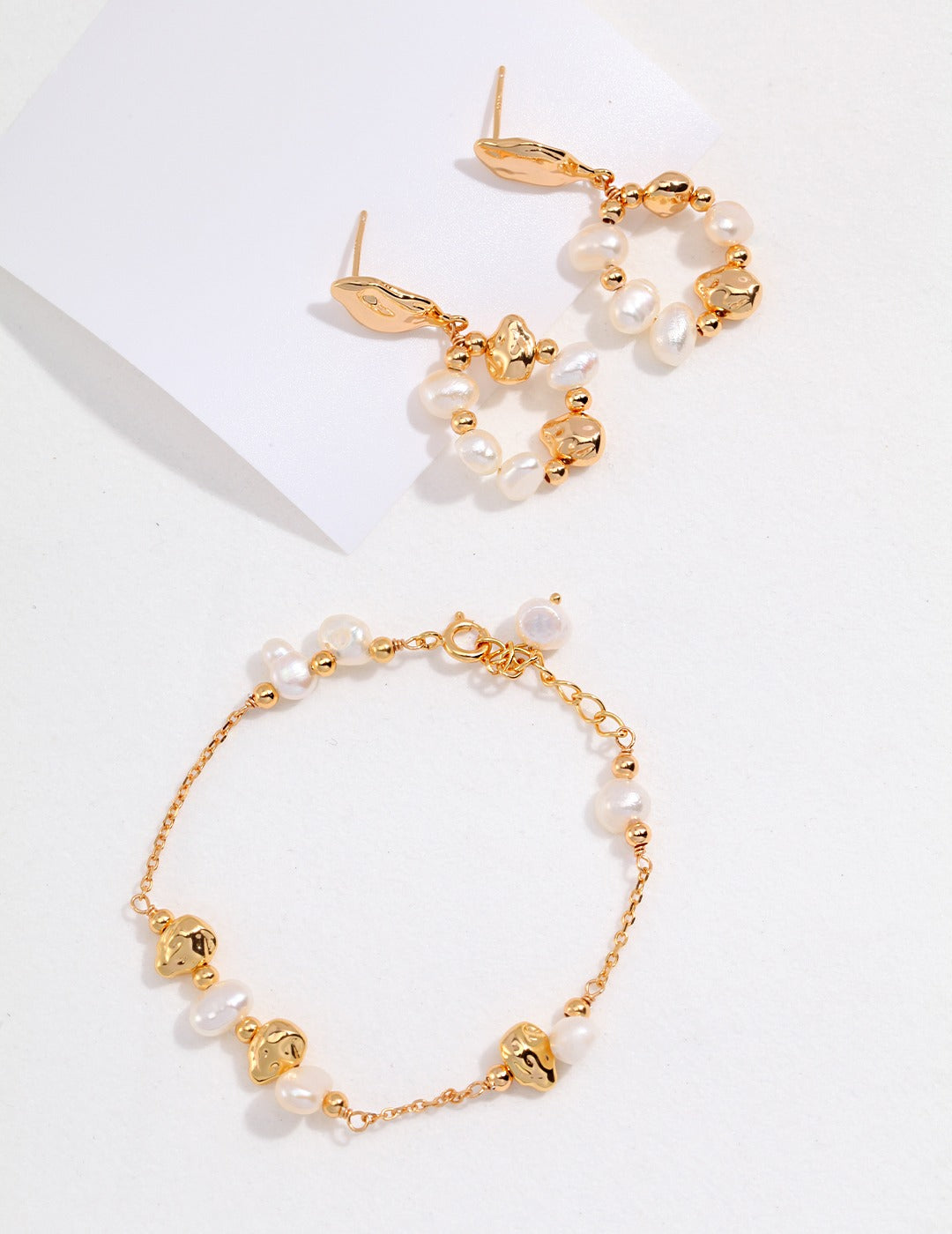
Earrings are the piece most people sleep in, shower in, and forget about. Our sterling silver is nickel-free and hypoallergenic, which is why it's a sane default for ears that react to costume metals. Smaller diameters catch less; larger hoops are lovely and less forgiving of a pillow.

3. A fine-chain pendant
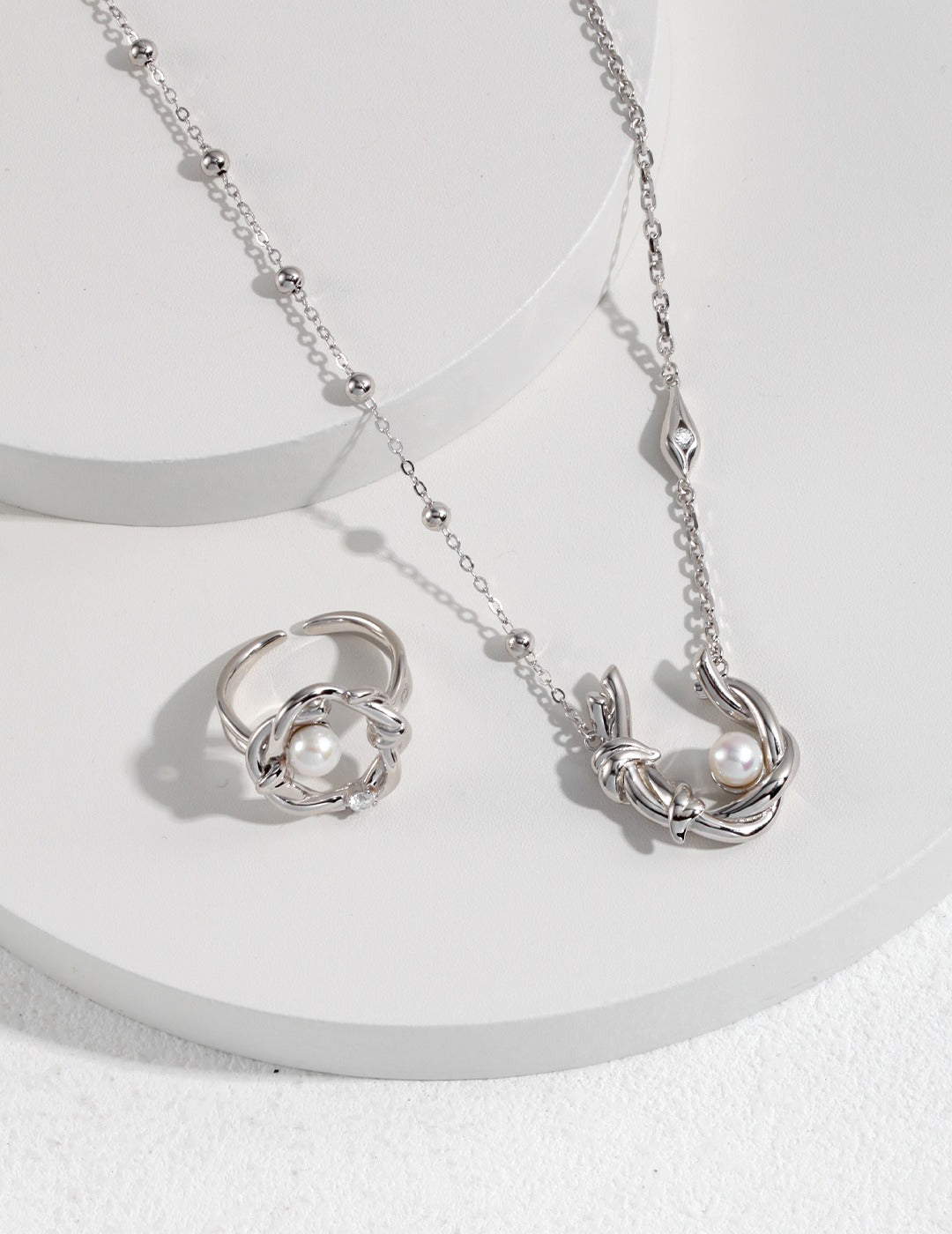
A pendant on a fine chain sits under a collar and over a crewneck equally well. Look for a chain that moves fluidly rather than one that holds its shape — stiffness usually means thickness or a weaker link structure.
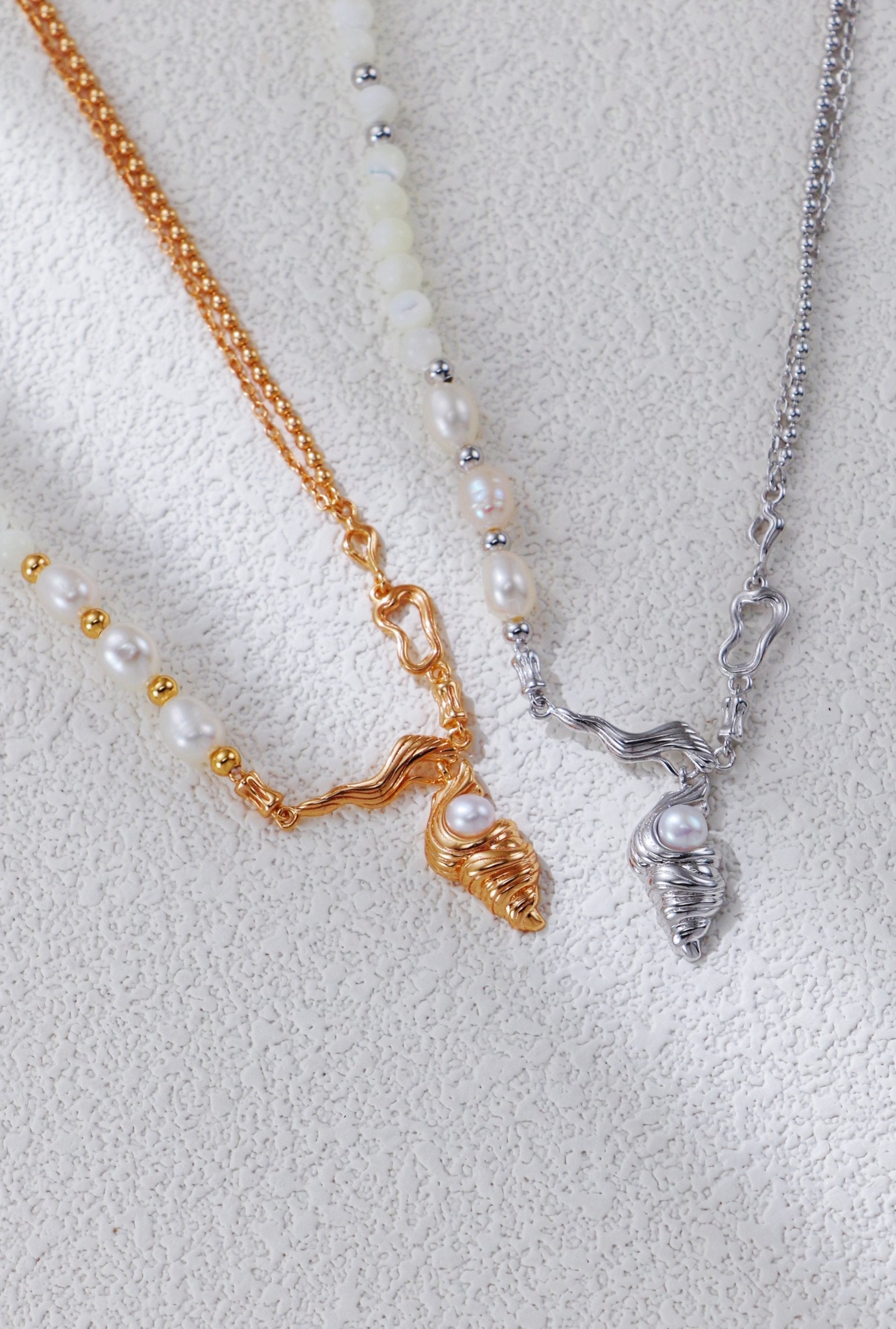
4. One piece with a natural stone
Silver alone can read cool and flat. A single natural stone — pearl, mother-of-pearl, opal, tiger's eye, onyx, agate — adds warmth without adding noise. Stones do carry care requirements silver doesn't, which is the next section.
Where everyday jewelry actually fails
We would rather tell you this than have you learn it on a piece you love.
Sterling silver tarnishes. That's chemistry, not a defect. Silver reacts with sulfur in air, in some cosmetics, and in skin. It shows up as a warm grey haze. A polishing cloth takes it off in under a minute, and the metal underneath is unchanged. Frequent wear can actually slow visible tarnish, because skin contact keeps the surface burnished — though skin chemistry varies from person to person.
Soft stones don't love water. Pearls and opals are porous and comparatively soft. Perfume, hairspray, chlorine, and prolonged soaking will dull them over time — permanently, in a way silver damage isn't. The rule that solves it: jewelry on last, off first.
Plating is a countdown. Any gold-toned finish over silver is a layer, and layers wear at contact points — the underside of a ring, the back of a bracelet clasp. This isn't a reason to avoid plated pieces; it's a reason not to make one your daily driver.
Why we build in solid S925
Sterling Arc is demi-fine jewelry: solid S925 sterling silver, genuine natural stones, hypoallergenic and nickel-free, finely made and finished more like fine jewelry than fashion pieces — at a price that doesn't ask you to save up. We ship worldwide, and a portion of every order supports United Way.
What we don't do is overclaim. Silver will need the occasional cloth. A pearl asks to stay dry. Those aren't compromises we hide; they're the terms of owning real materials, and they're vastly better terms than a coating that quietly disappears.
Building a small everyday set
You don't need many pieces. You need pieces that don't compete with each other.
Start with one bracelet and one pair of earrings you'd reach for without thinking. Add a pendant when you want a third point of interest. Keep the metals consistent — mixed metals are a deliberate style choice, not a default, and consistency is what makes a small collection look intentional. Most of our everyday pieces sit in the jewelry under $100 collection, which is a good place to start if you're building slowly.

Caring for it, briefly
Store pieces separately so they don't scratch each other, ideally in a pouch or lined box rather than open air. Wipe silver with a soft cloth after wear. Take jewelry off before swimming, showering, and sleeping — especially anything with a pearl or opal. That's the whole routine, and it's enough.
FAQ
Is sterling silver good for everyday wear?
Yes. Solid S925 is durable enough for daily use and, because the metal is solid rather than plated, surface dullness can be polished away without damaging the piece. It's also nickel-free and hypoallergenic, which suits sensitive skin.
Will sterling silver turn my skin green?
Solid sterling silver rarely does. Any green marks usually come from higher-copper or low-quality alloys, from plating that has worn through to a base metal, or from lotions and acidic sweat reacting with the surface rather than from the silver itself.
Can I shower or sleep in sterling silver?
You can shower in plain silver without harming it, though soap residue will dull the shine faster. Avoid it with pearls, opals, and other porous stones. Sleeping in earrings is common, but hoops and dangles are more likely to bend or catch.
How often should I polish sterling silver?
Only when you notice a haze. For a piece worn most days, that might be every few weeks; for one that sits in a drawer, sooner. Over-polishing isn't harmful, but it isn't necessary either.
What's the difference between sterling silver and silver-plated?
Sterling silver is 92.5% silver throughout. Silver-plated means a thin silver layer bonded over a different base metal — it looks similar at first and wears through with use, exposing the metal beneath.
Where to start
If you're choosing one thing today, choose the piece you can picture wearing tomorrow, and the day after. Browse our minimalist sterling silver jewelry for pieces designed to be worn rather than saved, or the under $100 collection if you'd rather begin small. New here? WELCOME10 takes 10% off your first order.
— Peter, founder of Sterling Arc

Dejar un comentario
Este sitio está protegido por hCaptcha y se aplican la Política de privacidad de hCaptcha y los Términos del servicio.