Demi-Fine vs Fine Jewelry: What's the Difference?
The short answer: demi-fine jewelry is made from solid precious materials like sterling silver and genuine natural stones, but at a more accessible price than fine jewelry, which is built around solid gold and precious gemstones. Demi-fine sits between costume jewelry and fine jewelry — real materials and lasting quality, without the fine-jewelry price tag. If you want pieces you can actually wear every day without worry, demi-fine is usually the sweet spot.
Below is an honest breakdown of how the two compare, so you can choose what's right for you rather than what a price tag implies.
What counts as fine jewelry?
Fine jewelry is the traditional, heirloom-tier category. It's typically made from solid gold (10k, 14k, 18k) or platinum, and set with precious or fine gemstones — diamonds, sapphires, rubies, emeralds. Because the raw materials are expensive, fine jewelry usually carries a high price, often from several hundred to many thousands of dollars per piece.
What you're paying for is durability and intrinsic material value. Solid gold doesn't tarnish, and precious stones are hard-wearing. Fine jewelry is the right call for milestone pieces — an engagement ring, a 25th-anniversary gift, something you intend to pass down. The trade-off is simple: cost, and a little caution about wearing it everywhere.
What counts as demi-fine jewelry?
Demi-fine is a newer category that has grown quickly, and it answers a real frustration: costume jewelry feels disposable, but fine jewelry isn't realistic for everyday buying. Demi-fine bridges that gap.
Demi-fine pieces are made from solid precious metals — most often sterling silver (S925) — and frequently feature genuine natural stones rather than glass or plastic imitations. The materials are real and built to last, but the price stays within reach, often well under a few hundred dollars.
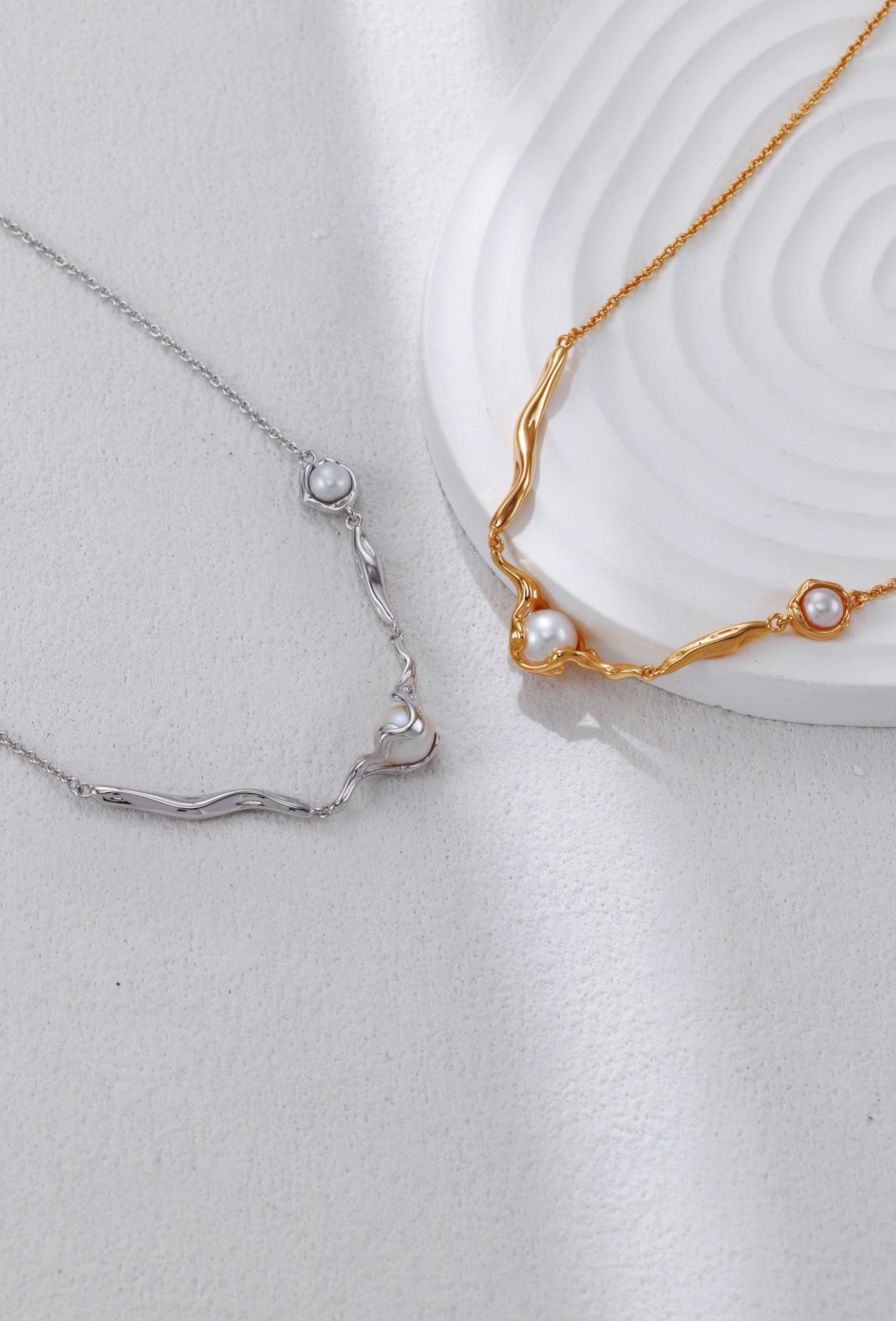
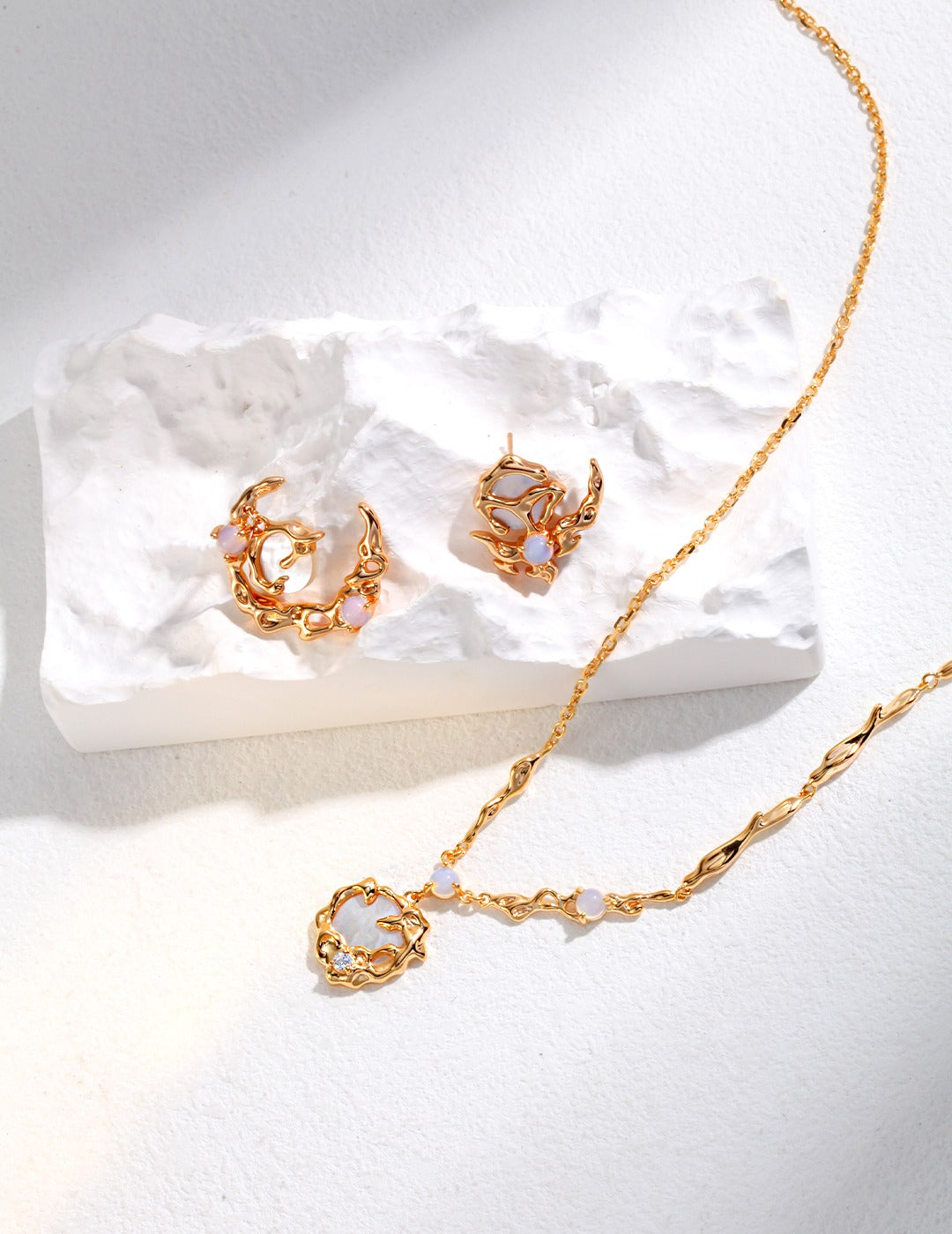
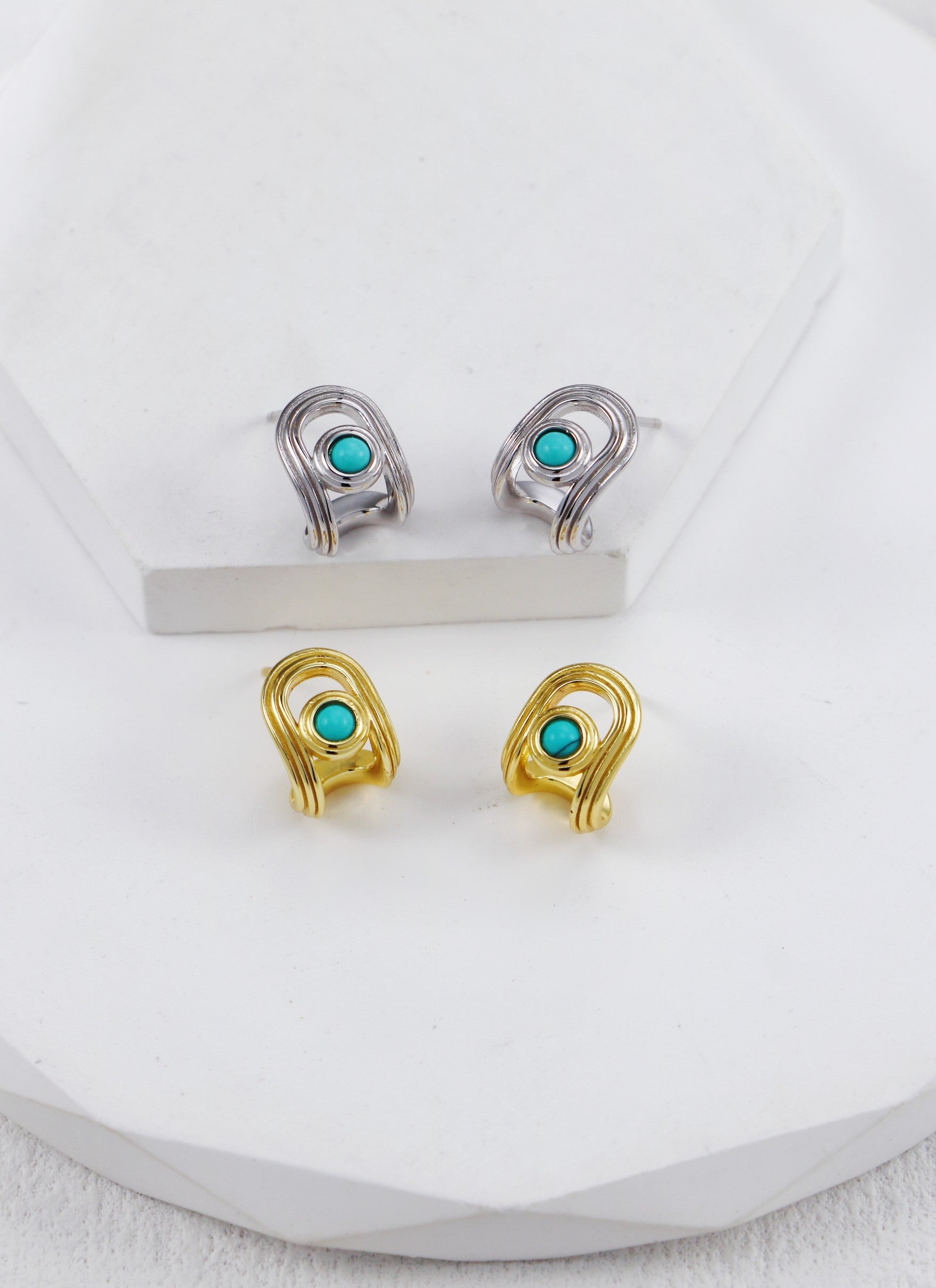
Every Sterling Arc piece is demi-fine in exactly this sense: solid 925 sterling silver — 92.5% pure silver, not plated — finished with genuine materials like cultured freshwater pearls, mother-of-pearl, opal, tiger's eye, onyx, and agate. It's hypoallergenic and nickel-free, so it suits sensitive skin, and it's priced so you can build a collection over time instead of saving for a single piece.

Demi-fine vs fine jewelry: the key differences
Here's how the two categories compare on the things that actually matter:
- Metal: Fine jewelry uses solid gold or platinum. Demi-fine uses solid precious metals too — most commonly sterling silver — just not the most expensive ones.
- Stones: Fine jewelry centers on precious gems (diamonds, sapphires). Demi-fine favors genuine natural stones and cultured pearls — real, characterful, and far more affordable.
- Price: Fine jewelry typically runs from the high hundreds into the thousands. Demi-fine usually lands from around $30 to $300.
- Longevity: Both are made to last when cared for. Solid sterling silver can tarnish over time, but it's easy to clean and re-polish because the silver runs all the way through — there's no thin plating to wear off.
- Best for: Fine jewelry suits rare, milestone moments. Demi-fine suits real life — the pieces you reach for on a Tuesday.
The honest boundary to understand: demi-fine is not a cheaper imitation of fine jewelry. It's a different choice with a different purpose. It won't carry the resale or investment value of solid gold and diamonds. What it offers instead is genuine quality you can wear freely, every day, without treating it as a vault item.
How is demi-fine different from costume jewelry?
This is the more important distinction for most shoppers. Costume (or "fashion") jewelry is usually made from base metals like brass or zinc alloy, then thinly plated and set with glass or acrylic stones. It looks fine at first, but the plating wears through, the base metal can irritate sensitive skin, and the piece often can't be restored once it dulls.
Demi-fine is the opposite. Because pieces like ours are solid sterling silver rather than plated base metal, there's no coating to rub off, the metal itself is hypoallergenic, and a dull piece can be polished back to bright. That's the practical reason demi-fine is worth a little more than costume jewelry — it's built to be kept, not replaced.
Which one should you buy?
A simple way to decide:
- Choose fine jewelry for once-in-a-lifetime pieces — engagement rings, heirlooms, major milestone gifts where you want solid gold and precious stones.
- Choose demi-fine for everything else — everyday wear, building a versatile collection, thoughtful gifts, and dipping into real materials without a heavy spend.
For most people, most of the time, demi-fine simply makes more sense. You get real silver and genuine stones, pieces that suit sensitive skin, and a price that lets you actually enjoy and wear them. If you want to see the difference in person, our premium jewelry collection gathers our more elevated demi-fine designs, while our under $100 collection is a great place to start a solid-silver collection without overthinking it.
FAQ
Is demi-fine jewelry real?
Yes. Demi-fine is made from solid precious materials — at Sterling Arc, that means solid 925 sterling silver and genuine natural stones, not plated base metal or imitation gems.
Is sterling silver considered demi-fine or fine jewelry?
Solid sterling silver is the classic demi-fine metal. It's a genuine precious metal, but more accessible than the solid gold and platinum used in fine jewelry.
Does demi-fine jewelry last?
With basic care, yes. Solid sterling silver can be cleaned and re-polished indefinitely because the silver runs all the way through — there's no plating to wear off. Stored dry and wiped occasionally, it lasts for years.
Is demi-fine jewelry worth it?
For everyday wear, it's often the best value. You get real materials and lasting quality at a fraction of fine-jewelry prices, which means you can wear it freely instead of saving it for special occasions.
Will demi-fine sterling silver irritate sensitive skin?
It shouldn't. Solid S925 is hypoallergenic and nickel-free, which makes it a good choice for sensitive ears and skin — unlike many plated costume pieces.
The line between demi-fine and fine jewelry really comes down to materials and purpose: fine jewelry for the rare, vault-worthy milestones, and demi-fine for the real, everyday pieces you'll actually live in. If you're building a collection you can wear without a second thought, explore our premium jewelry and under $100 collections — and if you're new to Sterling Arc, WELCOME10 takes 15% off your first order, with no minimum. We ship worldwide.
— Peter, founder of Sterling Arc


Leave a comment
This site is protected by hCaptcha and the hCaptcha Privacy Policy and Terms of Service apply.